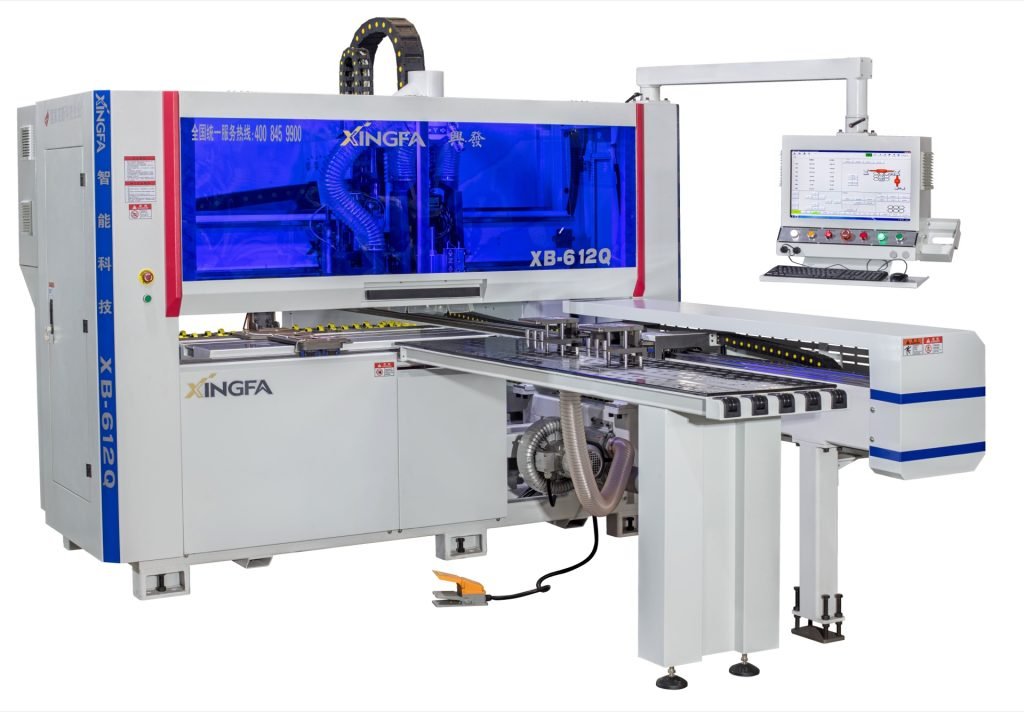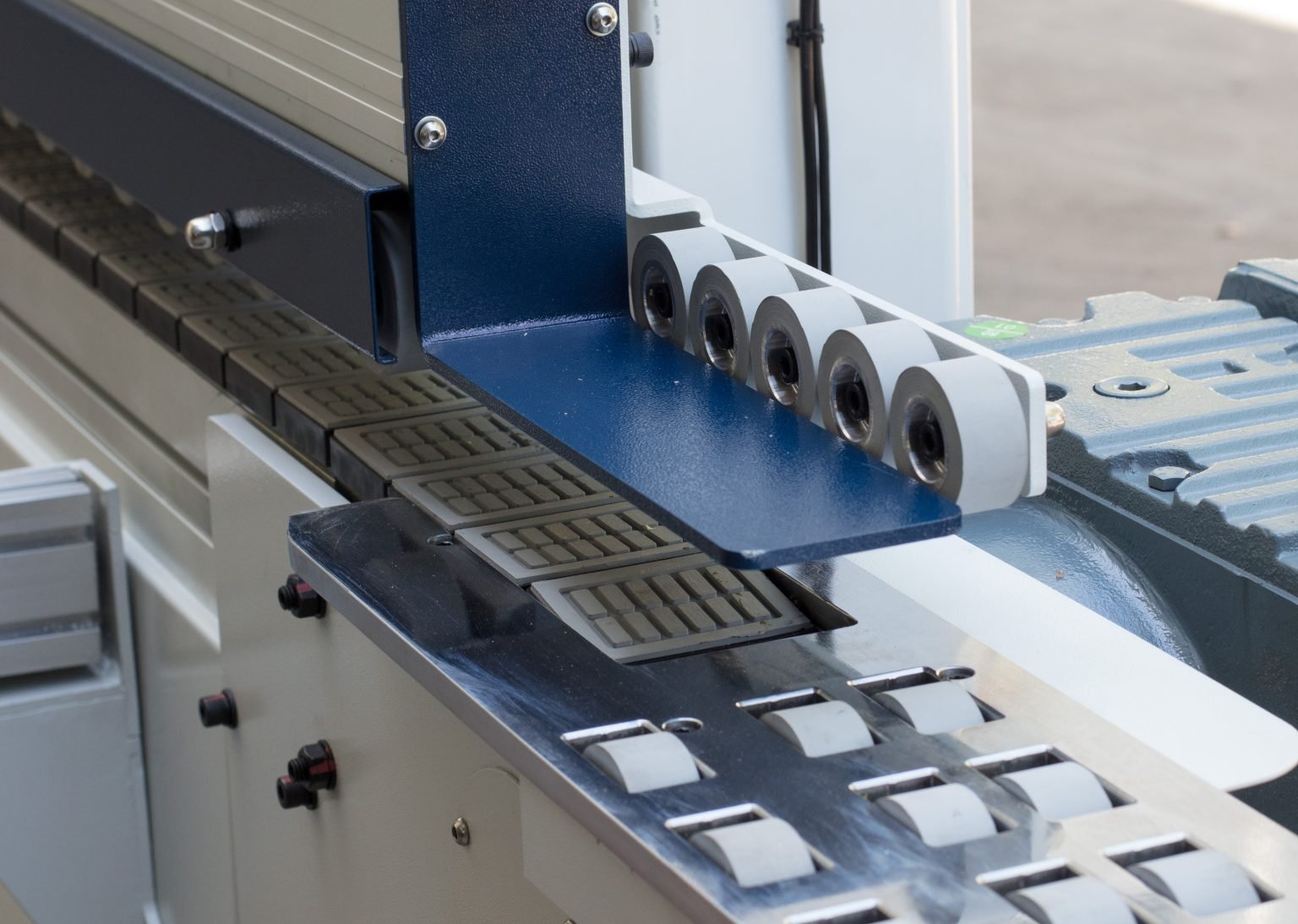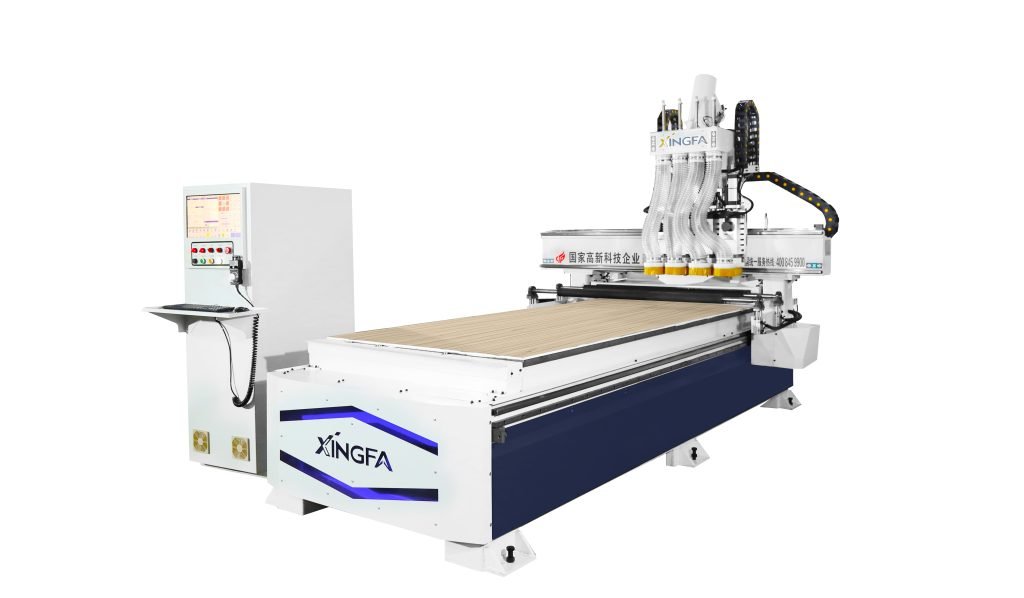
A useful machinery quotation begins with a useful description of the job. Asking only for a price leaves the supplier to guess the workpiece range, required operations and installation conditions. Those guesses can make two quotations appear comparable even when they describe different scopes. You do not need to know every technical detail before making contact. It is more helpful to separate information you can confirm from questions that still need discussion. The following checklist is intended to make that first exchange clearer and to preserve a written basis for later decisions.
1. Explain the product and the problem to solve
Start with the furniture or components you make and the reason you are considering equipment. This might be adding an operation, replacing an existing machine or changing how work is organized. Describe the present difficulty in observable terms, such as the type of part that needs repeated handling or the quality point that must be checked. Avoid relying only on a broad phrase like “higher efficiency.” A specific example helps the supplier ask relevant follow-up questions without promising an improvement before the process has been understood.
2. Provide a representative material and part list
List the materials, common dimensions and unusual parts that the equipment should handle. Include photographs or drawings when they clarify the requirement, and identify the version of each drawing. Explain which dimensions and surface conditions are particularly important to the finished product. If the proposed machine is only for a portion of your range, state that boundary. A short, well-chosen sample list is usually more useful for an initial discussion than a large collection of unlabeled images that leaves the supplier unsure which details are representative.
3. Describe the surrounding process
Explain what happens before and after the proposed machine. State how parts are identified, how they arrive and where they go next. If you already use design or production software, identify the relevant system and ask how data compatibility will be demonstrated; do not assume integration is included. When discussing expected output, provide the intended product mix, working schedule and handling arrangement. Treat an output target as a requirement to evaluate, not as a fact established by the machine’s catalogue speed or by one successful sample.
4. Identify site information that needs confirmation
Share an appropriate layout drawing and the constraints that may affect installation, including access routes and the location of existing services. Ask the supplier for installation requirements for the exact configuration under discussion. Electrical, extraction and other facility interfaces should then be reviewed by the responsible qualified parties. Mark unknown values as unconfirmed rather than filling them with assumptions. The purpose is to identify the questions before equipment is ordered, not to design site services from an incomplete email or to treat another factory’s installation as proof that yours is suitable.
5. Make the quotation scope explicit
Ask the supplier to separate the machine configuration, optional equipment, tooling, software, installation support, training and other proposed services. Request a clear statement of what is included and what still needs agreement. Delivery arrangements, packaging, the delivery location and responsibility for each stage should be recorded in the eventual commercial documents. Do not infer these terms from a headline price. Compare quotations using the same scope table, and keep unresolved points visible until they are confirmed by the parties responsible for the purchase and delivery.
6. Discuss acceptance and support before the order
Prepare representative samples and describe how the finished result will be checked. Ask which trials can be arranged, what information will be recorded and which requirements remain outside the demonstrated scope. Discuss the operating documents, maintenance information and service contact process that will accompany the equipment. Clarify how spare parts are identified and how a technical issue should be reported. These are questions for a documented agreement, rather than an assumption that every supplier offers the same response, spare-part availability or support arrangement.
A concise inquiry template
Use this structure: finished product; materials and workpiece range; required operations; representative drawings; current process; intended output and its assumptions; known site conditions; desired configuration; and acceptance questions. Add a preferred way to continue the technical discussion. You can use Xingfa’s product catalogue to name a candidate machine and the contact page to review the current inquiry options. A clear inquiry does not guarantee a particular result, but it gives both parties a better basis for checking suitability and preparing a quotation with fewer hidden assumptions.
一份有用的设备报价,通常从清楚的需求描述开始。如果只问“这台多少钱”,供应方只能猜测工件范围、所需工序与安装条件,两份看似接近的报价可能实际包含不同内容。首次联系前不必掌握全部技术细节,更重要的是区分已经确认的信息和仍需讨论的问题。把需求整理成清单,能够帮助双方减少反复问答,也为后续配置与验收留下书面依据。
一、说明产品与需要解决的问题
先说明生产什么家具或部件,以及此次考虑设备的原因:增加工序、替换旧设备,还是调整生产组织方式。描述问题时尽量给出能够观察的例子,例如哪类工件经常需要重复搬运,或哪个质量点需要反复检查。单写“提高效率”还不够具体。明确的例子有助于供应方提出相关问题,也能避免在尚未理解工艺前就作出不可靠的改善承诺。
二、提供有代表性的材料与零件
列出材料、常见尺寸以及设备需要处理的特殊零件;必要时附照片或图纸,并标注版本。说明哪些尺寸、表面状态或装配关系对成品更重要。如果拟购设备只服务部分产品,也应明确范围。首次沟通时,一组经过选择、有说明的样品资料,通常比大量没有标签的图片更容易理解。涉及不便公开的客户图纸时,可先提供经过允许的简化或脱敏样例。
三、交代前后工序与数据流程
说明设备前后分别是什么工序,零件如何识别、怎样到达工位,以及完成后去哪里。已经使用设计或生产软件时,应说明相关系统,并要求确认数据兼容的验证方式,不默认软件衔接已经包含。讨论产出目标时,应提供产品组合、计划工作安排和搬运方式。目标是需要评估的需求,不能用目录速度或一次样品加工直接当作已实现的结果。
四、整理现场已知条件与待确认项
提供适当的场地示意图,并标出可能影响安装的通道与现有配套位置。向供应方索取所谈配置的安装要求,再由相应专业人员核对供电、除尘等接口。不清楚的数据可以明确写“待确认”,不要为了填满表格而猜测。现场沟通的作用,是在订购前发现问题,而不是仅靠一封资料不全的邮件完成设施设计,也不能照搬其他工厂的安装条件。
五、把报价范围拆开看
建议将设备配置、选配附件、刀具、软件、安装支持、培训和其他服务分别列示,并说明哪些已包含、哪些尚需确认。包装、交付地点和各环节责任,也应在后续正式商务文件中明确,不能从一个总价推断全部条款。比较报价时使用同一张范围表,让未解决的问题持续可见,直到由负责采购与交付的双方完成确认。
六、提前讨论验收与服务资料
准备代表样品,并说明如何检查加工结果。核对能够安排哪些试验、记录什么信息,以及哪些要求仍在已验证范围之外。还应了解设备随附的操作文件、维护资料和问题联系流程,并确认备件如何识别、技术问题如何提交。这些都应落实到具体约定,不宜默认不同供应方提供相同响应、备件供应或支持方式。
可以直接使用的询价提纲
按以下顺序整理即可:成品类型、材料与工件范围、所需工序、代表图纸、当前流程、产出目标及假设、已知现场条件、候选配置和验收问题。再补充方便继续技术沟通的方式。可先通过产品目录确定候选设备,再查看联系页面当前提供的询盘方式。清晰的需求不能保证某种结果,但能让双方更有依据地评估适用性和报价范围。