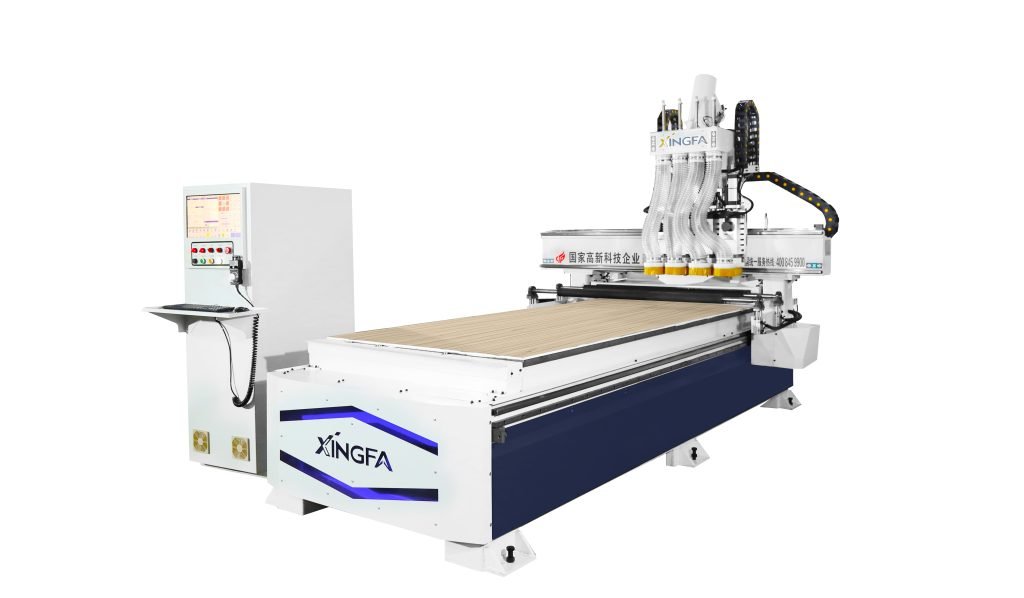
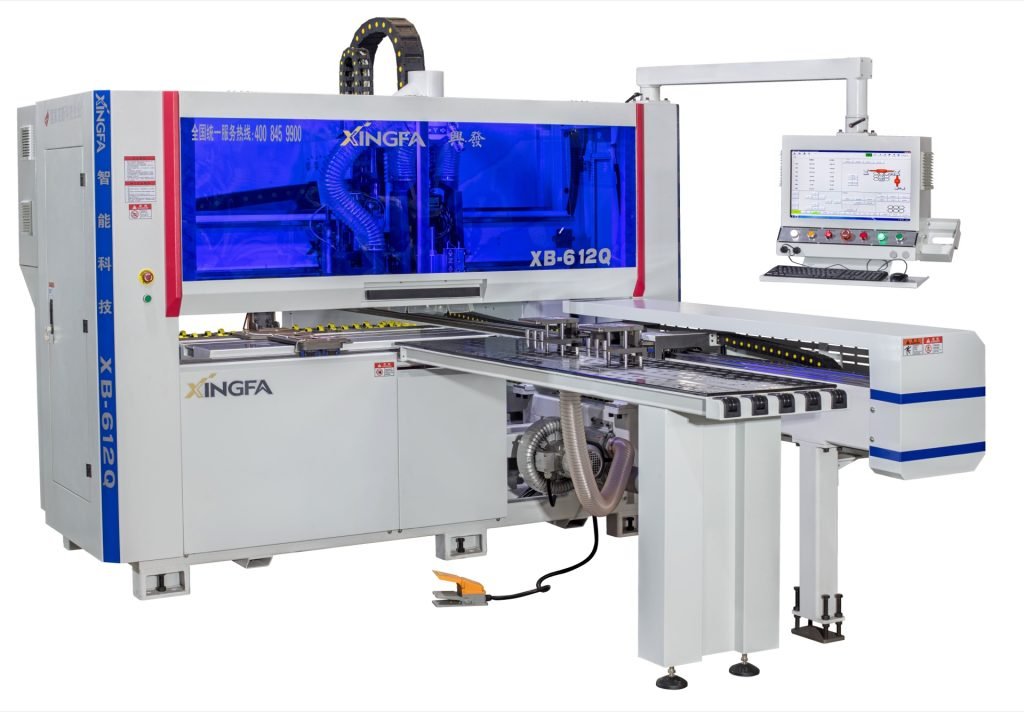
A useful CNC router maintenance routine is a written habit that operators can follow and supervisors can review. It connects the condition of the machine with the jobs being processed, rather than relying on memory when a problem appears. The routine below is a planning framework, not a replacement for the manufacturer’s service instructions. Inspection intervals, approved cleaning methods, lubricants and replacement criteria depend on the machine and its fitted components. Establish responsibility for each task and make clear which observations require the machine to be taken out of use.
1. Start with a safe, documented inspection boundary
Distinguish observations that can be made from the normal operating position from servicing that requires access to machinery. Cleaning, tool changes and maintenance must follow the prescribed shutdown and energy-isolation procedure and be performed by appropriately trained personnel. An emergency stop is not a substitute for the isolation procedure. Do not bypass guards or interlocks to complete a check. If an operator notices a damaged guard, an unfamiliar alarm or an unsafe condition, the response should be to report it and follow the approved procedure, not to improvise a repair.
2. Keep the working area ready for the next job
Review the condition of the table and the areas used to locate or support panels, following the approved cleaning method. Look for accumulated waste that could interfere with positioning or access. Keep the surrounding loading and unloading space orderly so that material handling does not conceal developing problems. Check dust-collection connections from a safe position and record visible damage or obvious changes in extraction performance. Do not use an improvised cleaning method that disperses dust or pushes debris into components. Any internal blockage should be handled through the machine-specific service procedure.
3. Treat tooling and work holding as one system
The cutter, its holder and the way the panel is secured all contribute to a repeatable process. Include the condition of approved tooling and holding components in the documented routine, using the inspection and replacement criteria provided for those parts. If a vacuum holding arrangement is fitted, confirm the required checks for that particular system. A change in cut quality should trigger a structured review, not an automatic increase in cutting settings. Keep tool identification and replacement records so that an unusual result can be compared with the actual setup used on the job.
4. Follow component-specific lubrication and service intervals
A single generic oil or service interval is not appropriate for every moving component. Use the machine’s lubrication chart and the instructions for the components actually installed. Record when scheduled work was completed, by whom and with which approved material. Make overdue items visible to the person responsible for production planning. Electrical cabinets, drive systems and other restricted areas should be serviced only by qualified personnel. If the manual is incomplete or a component has been replaced, obtain the applicable instructions before continuing with assumptions inherited from a different machine.
5. Record symptoms before changing the setup
When an unfamiliar vibration, sound, alarm or dimensional result appears, record the job identification, material, tool, program version and the point in the cycle where it occurred. Preserve the alarm message exactly where the system allows this. Provide photographs or a short recording only when they can be captured safely. This gives service personnel more useful information than a description such as “the machine is not accurate.” Avoid repeated trial changes without a record, because they make it harder to distinguish the original fault from the effects of later adjustments.
6. Verify the result before returning to normal production
After an authorized intervention, follow the required restart and verification procedure. Use an agreed first-piece check before treating the machine as ready for the next batch. Record what was changed, who released the equipment and whether the original symptom has been resolved. Keep recurring issues on a review list instead of repeatedly closing them as isolated incidents. A simple maintenance log can connect daily observations with the service history and help the team plan a sensible interval for further inspection without claiming that every fault can be prevented.
A practical starting checklist
Prepare one page with fields for machine identification, date, operator, safe observations, scheduled service items, abnormal findings and release status. Keep the relevant manual available at the workstation. For example, the H4 product page can help identify the machine being discussed, while the supplied operating and service documents remain the authority for actual maintenance. Frequently asked question: should all routers use the same daily checklist? No. Share the record format if useful, but adapt the checks to the installed machine and approved instructions.
数控开料机的日常维护不应只靠操作人员记忆,也不应等到加工异常后才开始处理。更实用的做法,是把开机前观察、生产中的记录和收工后的整理形成固定清单,并明确谁检查、谁复核、哪些问题必须停止使用后处理。下面内容用于帮助建立管理框架,不能代替设备说明书。具体周期、清理方式、润滑材料和零件更换条件,均需按照实际机型与所装部件的要求执行。
一、先划清检查与维修的边界
正常操作位置能够完成的外观观察,与需要接近机械内部的保养维修,应明确区分。清理、换刀或维修时,应由受过培训的人员按照说明书执行停机和能源隔离程序,不能把急停按钮当作完整的隔离措施,也不应绕过护罩或联锁完成检查。发现防护损坏、不熟悉的报警或其他不安全情况,应停止相关作业并按既定流程报告,不自行试探性修复。
二、检查加工区与上下料空间
按照允许的方法整理工作台及工件定位、支承区域,留意是否有残料影响定位或遮挡操作位置。上下料区域也应保持有序,避免堆放物掩盖设备异常。可从安全位置观察除尘连接是否损坏,以及抽尘表现是否出现明显变化。不要采用容易扬尘或把碎屑推入部件内部的临时清理方式。对于内部堵塞和需要拆卸的区域,应交由符合要求的人员按照专用维护步骤处理。
三、把刀具与工件固定一起管理
刀具、刀柄和工件固定方式共同影响加工过程。日常清单应包含这些部件的检查项目,但检查标准与更换条件要采用对应说明,不以经验猜测代替。装有真空固定系统的设备,还应核对该系统要求的检查内容。切削质量发生变化时,应按流程复核材料、刀具和固定状态,不能直接通过提高加工设定来掩盖问题。保留刀具编号与更换记录,有助于把异常结果追溯到当时的真实配置。
四、依照部件要求安排定期维护
不同运动部件不能简单共用一种润滑材料或统一维护周期。应查阅本机润滑表和实际安装部件的说明,记录完成时间、执行人员与所用材料。尚未完成的维护项目需要让生产负责人能够看到,便于协调停机安排。电气柜、驱动系统等受限区域应由具备资格的人员处理。更换过部件或缺少说明书时,应先取得对应资料,不沿用另一台设备的维护习惯。
五、先记录异常,再安排处理
出现不熟悉的振动、声音、报警或尺寸结果时,应记录订单标识、材料、刀具、程序版本和发生环节,并尽可能保留原始报警信息。在安全条件下拍摄的照片,也能帮助服务人员判断问题。相比笼统描述“机器不准了”,这些资料更有价值。不要连续尝试多个调整却不记录,否则很难区分最初的问题与后续调整造成的变化。
六、维护后做首件确认
完成获准的维护处理后,应按规定恢复设备并进行验证。进入正常批量生产前,使用双方或企业内部约定的首件检查方式,记录改动内容、放行人员及原异常是否消失。反复出现的问题应单独跟踪,而不是每次都当作一次性事件结束。维护记录的作用,是把日常观察与服务历史联系起来,帮助合理安排下一步检查,而不是承诺所有故障都能提前避免。
常见问题与记录建议
“不同开料机能共用一张维护表吗?”可以统一记录格式,但检查项目应按机型配置调整。建议表单包含设备编号、日期、人员、观察结果、定期项目、异常说明和放行状态。可通过H4 产品资料明确沟通对象,但实际操作与维护仍以随设备提供的使用和服务文件为准。